




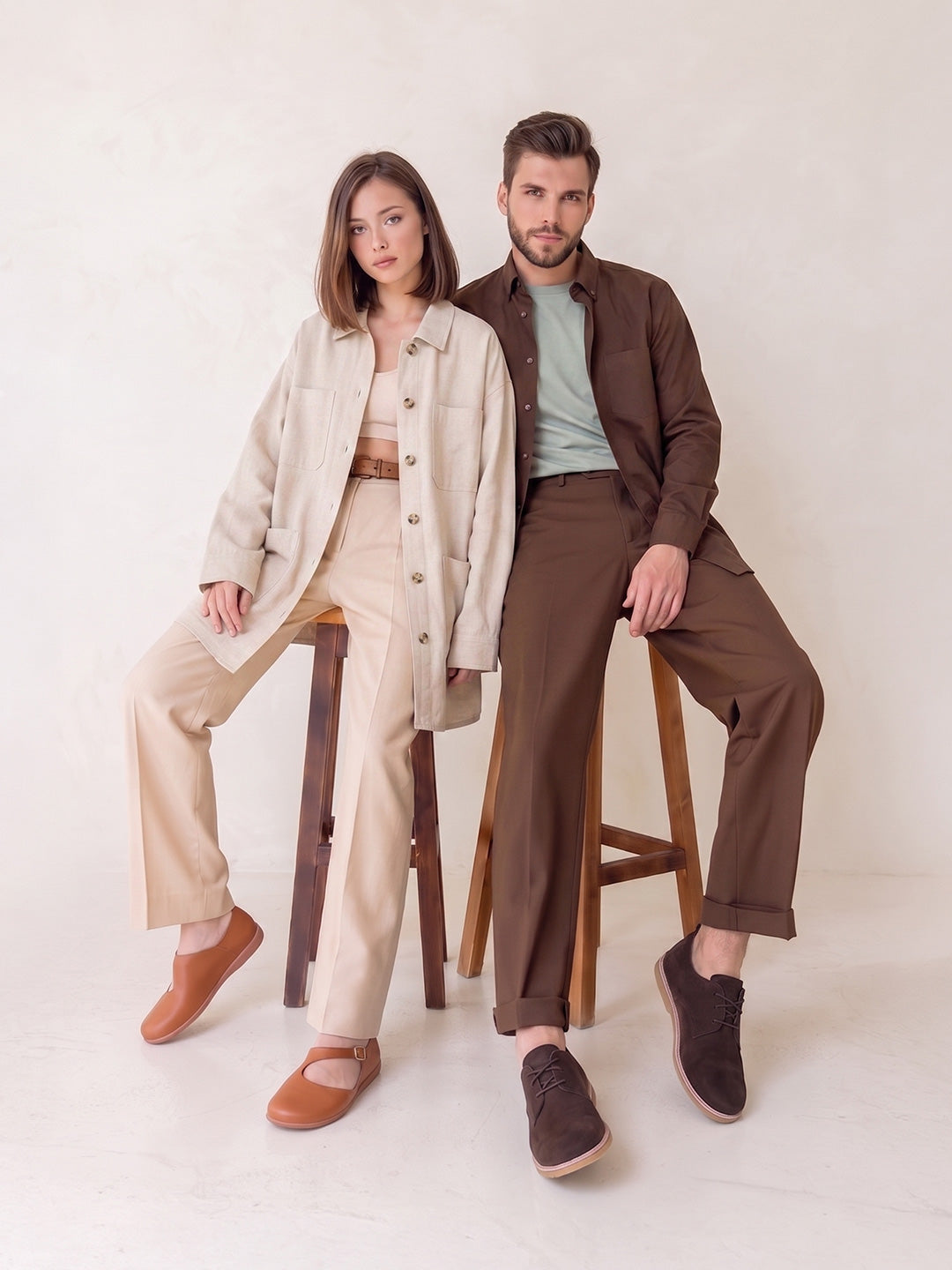
Not all comfortable shoes are necessarily good for your feet. While many shoes may feel soft or cushioned during the first few minutes of wear, truly supportive footwear is designed to promote natural movement, long-term foot comfort, flexibility, and proper foot function throughout the day. As consumers become more conscious about movement, posture, and everyday comfort, the conversation around footwear is gradually shifting from “What feels soft?” to “What actually supports healthy movement over time?”
In modern urban lifestyles, footwear plays a much bigger role than most people realize. Long commute hours, hard pavements, standing for extended periods, and continuous daily movement place constant pressure on the feet. This is why choosing the right footwear is no longer only about immediate comfort-it is also about how shoes support the body during long hours of wear.
Consumers exploring movement-conscious everyday footwear are increasingly looking toward flexible collections like the Driver Shoes Collection, designed for lightweight comfort and natural movement during everyday commuting.

Why Some Comfortable Shoes May Not Be Good for Your Feet
Many shoes feel comfortable initially because they use excessive cushioning or soft materials. While this may create short-term comfort, softness alone does not always support healthy movement.
Some heavily cushioned shoes reduce the foot’s ability to move naturally. Others rely on narrow construction that restricts toe movement even while feeling soft underfoot.
This is one reason consumers are becoming increasingly aware of the difference between:
-
Temporary softness
-
Long-term comfort
A shoe that feels comfortable during a short in-store trial may feel very different after several hours of walking or standing.
Footwear that is actually good for your feet should support:
-
Natural movement
-
Flexible walking
-
Natural toe spread
-
Long-hour wearability
-
Anatomical comfort
instead of relying only on excessive softness.
 Why Modern Urban Life Demands Better Footwear
Urban lifestyles place constant demands on footwear. A single day may involve:
-
Walking across hard pavements
-
Climbing stairs
-
Driving through traffic
-
Standing during meetings
-
Navigating airports
-
Moving between professional and casual settings
In these environments, footwear affects movement more than most people realize.
Shoes designed only around appearance or temporary softness often struggle to support this level of continuous movement comfortably.
This is why many consumers are shifting toward supportive everyday footwear that balances:
-
Flexibility
-
Breathability
-
Lightweight comfort
-
Natural movement
-
Long-term wearability
instead of purely trend-focused designs.
Consumers looking for refined styles suited for both work and daily movement are increasingly exploring the Smart Casual Shoes Collection for versatile everyday wear.
What Makes a Shoe Good for Your Feet?
Footwear that supports healthy movement is typically designed around how the foot naturally functions while walking.
Instead of forcing the foot into restrictive positions, good shoes for your feet generally prioritize:
-
Natural toe freedom
-
Flexible soles
-
Balanced posture
-
Breathability
-
Lightweight construction
-
Stable movement
One of the most important factors is allowing the toes enough space to move naturally. Restricted toe movement can create discomfort over time, especially during long hours of walking or standing.
This is one reason foot-shaped footwear is gaining attention among consumers looking for more natural everyday comfort.
Shoes that support natural foot movement often feel less restrictive and more adaptive during long-term wear.
 Why Flexibility Matters More Than Excessive Cushioning
One of the biggest misconceptions about comfort is that softer always means better.
While cushioning can improve immediate comfort, footwear that becomes too rigid or overly padded may reduce natural movement over time
Flexible footwear allows the foot to bend and move more naturally while walking. This creates a more responsive and adaptive movement experience during everyday activities.
Movement-conscious footwear is increasingly becoming important for people who:
-
Walk long distances
-
Spend extended hours standing
-
Travel frequently
-
Navigate busy urban environments
Instead of creating stiffness, flexible footwear supports smoother and more natural walking patterns.
Consumers exploring movement-focused active footwear are increasingly browsing the Sports & Outdoors Collection for lightweight flexibility and mobility.
The Role of Breathability and Lightweight Comfort
In warm climates and busy urban environments, footwear comfort is heavily influenced by breathability and weight.
Shoes made with poorly ventilated materials often trap heat and moisture, leading to discomfort during long wear hours. Heavy footwear can also contribute to fatigue over time, especially during extended movement.
This is why many consumers now prioritize:
-
Breathable everyday shoes
-
Lightweight footwear
-
Long-hour comfort
-
Everyday movement support
instead of bulky or rigid designs.
Comfort should feel sustainable throughout the day — not only during the first few minutes of wear.
In warmer conditions, breathable open footwear styles like the Open Toe Sandals Collection are becoming increasingly relevant for everyday comfort and airflow.
Why Footwear Should Support Natural Movement
The human foot is designed to move naturally while walking. Shoes that restrict flexibility or compress the foot too aggressively can interfere with this movement over time.
Modern movement-focused footwear is gradually shifting toward:
-
Flexible soles
-
Natural toe space
-
Lightweight feel
-
Better mobility
-
Balanced walking posture
This reflects a broader change in how consumers think about comfort and movement.
Instead of relying only on softness, more people are beginning to value footwear that supports how the body naturally walks throughout the day.
To better understand the principles behind anatomical comfort and movement-conscious footwear, explore the Foot Science Page .
Why Consumers Are Becoming More Conscious About Footwear
Footwear is increasingly being viewed as part of long-term lifestyle comfort rather than simply fashion or short-term trends.
Consumers today are becoming more selective about:
-
Anatomical footwear
-
Natural movement footwear
-
Supportive everyday footwear
-
Durable everyday shoes
-
Long-term comfort
This shift reflects growing awareness around how footwear influences:
-
Daily movement
-
Walking comfort
-
Posture
-
Long wearability
-
Overall comfort throughout the day
As modern lifestyles become more movement-intensive, people are naturally paying closer attention to how their footwear performs beyond first impressions.
✅ Signs of Footwear That’s Better for Your Feet
When choosing footwear designed for long-term comfort and movement, look for:
-
Flexible soles that move naturally
-
Comfortable toe space
-
Breathable materials
-
Lightweight construction
-
Balanced everyday support
-
Natural walking comfort
-
Long-hour wearability
FAQs
Are comfortable shoes always good for your feet?
Not necessarily. Some shoes feel soft initially but may restrict natural movement or lack proper long-term support during extended wear.
What makes a shoe better for your feet?
Good shoes for your feet typically support natural movement, flexibility, breathability, anatomical comfort, and long-hour wearability.
Why is flexibility important in footwear?
Flexible footwear allows the foot to move more naturally while walking, creating a smoother and more adaptive movement experience.
What is movement-focused footwear?
Movement-focused footwear is designed to support natural walking patterns through flexibility, lightweight comfort, and anatomical design principles.
Why are foot-shaped shoes becoming popular?
Foot-shaped footwear allows more natural toe freedom and reduces restriction during long hours of movement.
Conclusion
The difference between a comfortable shoe and a shoe that is actually good for your feet often comes down to how it supports movement over time. While softness and cushioning may create immediate comfort, truly supportive footwear is designed around flexibility, breathability, natural movement, and long-term wearability.
As consumers become more conscious about movement and everyday comfort, footwear is gradually evolving toward designs that feel lighter, more adaptive, and less restrictive throughout the day.
In the long run, the best footwear is not simply the pair that feels soft initially-it is the pair that continues to support natural movement and everyday comfort hour after hour.
Share:
How to Choose the Right Everyday Shoe for Urban Life in India
26 Bones. 33 Joints. One Perfect System. And How Modern Footwear Breaks It.