




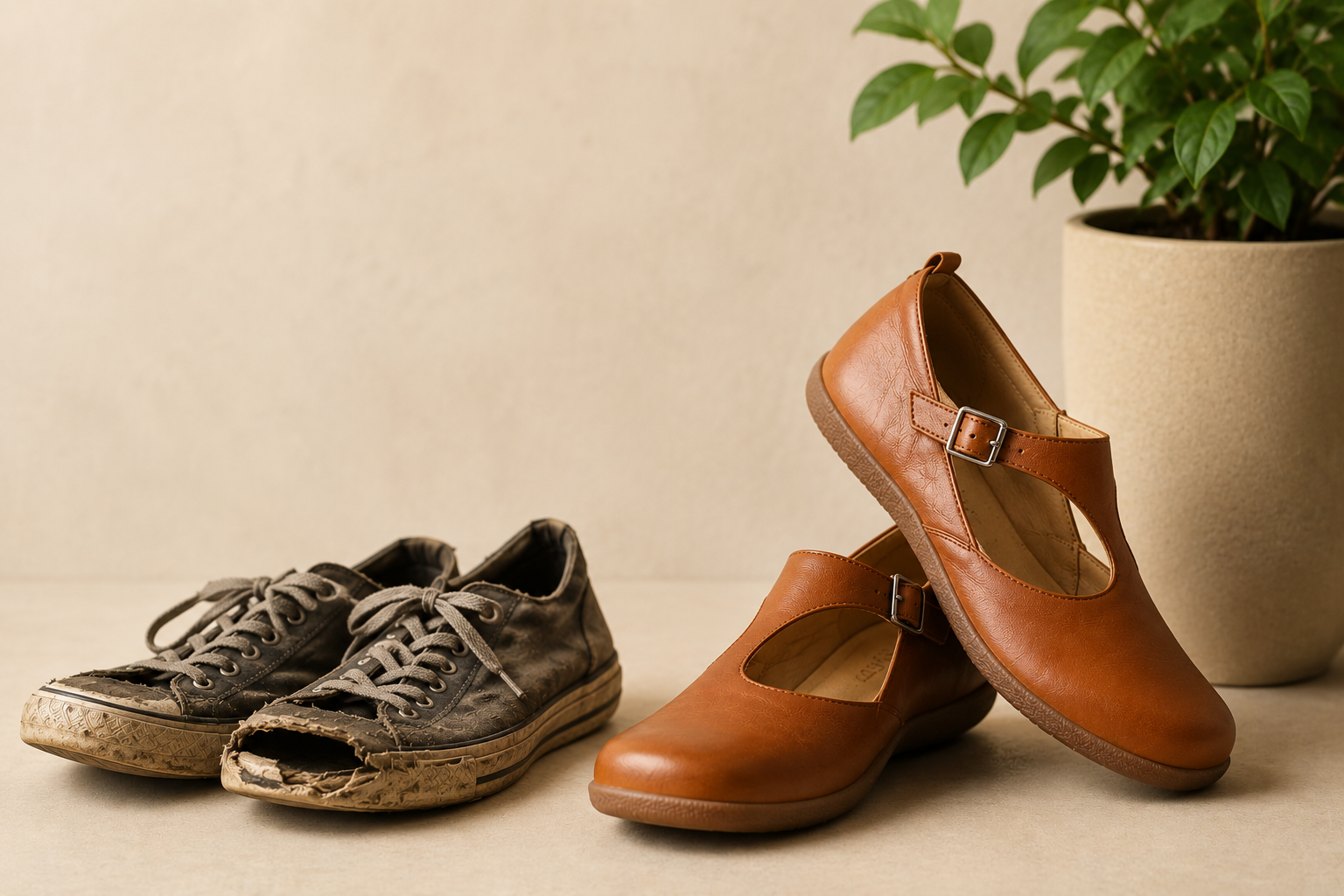
Cheap footwear may seem economical at first, but the long-term cost often extends far beyond the price tag. Poor construction, uncomfortable fits, low-quality materials, and limited durability can lead to faster wear, reduced comfort, and constant replacement cycles. As consumers become more conscious about long-term comfort, durability, and everyday movement, footwear is increasingly being evaluated not only by its upfront price, but also by how well it performs over time.
For people who spend long hours walking, commuting, traveling, or standing throughout the day, shoes directly influence comfort, movement, and everyday experience. This is why many consumers are gradually shifting their focus from cheap footwear to footwear designed around flexibility, durability, and long-term wearability.
Consumers becoming more aware of natural movement footwear are also increasingly exploring educational resources around barefoot movement and anatomical comfort, such as What Are Barefoot Shoes and Why Should You Try Them?.

In This Article
- Why cheap footwear wears out quickly
- The long-term impact of poor shoe construction
- How low-quality footwear affects comfort
- Why fit and flexibility matter more than trends
- The difference between price and long-term value
Why Cheap Footwear Often Costs More Over Time
Low-cost footwear is usually designed around short-term affordability rather than long-term durability. While the initial purchase price may feel attractive, these shoes often lose structure, wear out quickly, or become uncomfortable after repeated use.
Many consumers end up replacing inexpensive footwear multiple times within a short period. Over time, repeated purchases can actually cost more than investing once in a well-constructed pair designed for everyday comfort and consistent long-term use.
This becomes especially important in urban environments where footwear experiences constant pressure from:
- Hard pavements
- Daily commuting
- Long walking hours
- Continuous movement
- Changing weather conditions
Instead of focusing only on price, modern consumers are increasingly evaluating footwear based on:
- Longevity
- Long-hour wearability
- Material quality
- Flexible movement
- Everyday versatility

How Poor Footwear Affects Everyday Comfort
Shoes influence movement and comfort more than most people realize. Poorly designed footwear can create discomfort during long walks, standing hours, or continuous movement across hard city surfaces.
One common issue with inexpensive footwear is rigid construction. Stiff soles and restricted toe space can make walking feel unnatural and tiring over time.
Another issue is poor breathability. Synthetic materials often trap heat and moisture, creating discomfort during extended wear-especially in warm urban climates.
This is why many consumers searching for comfortable everyday footwear are beginning to prioritize:
- Flexible movement
- Breathable materials
- Lightweight comfort
- Natural fit
- Long-hour comfort
instead of simply following trend-driven purchases.
Consumers exploring healthier footwear choices are also becoming increasingly interested in understanding The Difference Between a Comfortable Shoe and a Shoe That’s Good For You, especially when evaluating long-term comfort and movement support.
Why Urban Lifestyles Demand Better Footwear
Modern urban lifestyles place constant demands on footwear. A single day may involve commuting through traffic, climbing stairs, walking between meetings, navigating airports, or standing for extended periods.
Shoes designed only around appearance often struggle to support this level of movement comfortably.
In fast-moving cities, comfort becomes essential rather than optional. This is one reason consumers are becoming increasingly selective about the footwear they wear every day.
Modern urban footwear is gradually shifting toward:
- Flexible construction
- Lightweight feel
- Natural movement
- Long-hour comfort
- Everyday adaptability
instead of rigid, trend-focused designs.
Consumers trying to understand which footwear actually supports long city days are also increasingly exploring guides like How to Choose the Right Everyday Shoe for Urban Life in India.

Why Fit Matters More Than Most People Think
One of the hidden problems with cheap footwear is poor fit. Many mass-produced shoes prioritize narrow silhouettes instead of anatomical comfort.
Restricted toe space and rigid construction can create pressure points and reduce walking comfort over time. Shoes that force the foot into unnatural positions often feel increasingly tiring during extended movement.
Footwear designed with a more natural fit allows the foot to move comfortably throughout the day. This is one reason foot-shaped footwear and movement-focused footwear are gaining attention among consumers prioritizing long-term comfort.
A better fit not only improves comfort-it changes how footwear feels after several continuous hours of wear.
The Shift Toward Quality and Conscious Buying
Consumer behavior around footwear is gradually evolving. Instead of repeatedly purchasing low-cost shoes that wear out quickly, many people are now investing in fewer, better-made pairs designed for long-term use.
This shift reflects growing awareness around:
- Craftsmanship
- Durability
- Sustainability
- Everyday comfort
- Material quality
- Versatile wearability
Well-constructed footwear often lasts longer, feels more adaptive over time, and performs better during daily movement compared to fast-fashion alternatives.
For many consumers, footwear is no longer viewed as a short-term trend purchase-it is increasingly becoming part of long-term lifestyle comfort.
Why Natural Movement Is Becoming More Important
Modern footwear design is gradually shifting toward movement-conscious footwear. Instead of heavily rigid structures, more consumers now prefer shoes that feel lighter, more flexible, and less restrictive during everyday wear.
Movement-focused footwear generally emphasizes:
- Flexible soles
- Natural toe freedom
- Lightweight comfort
- Breathability
- Better mobility
This reflects a broader shift toward footwear that supports how people naturally walk and move throughout the day.
As more consumers begin prioritizing natural movement footwear, educational discussions around healthy walking and supportive footwear are becoming increasingly important.
The Difference Between Cheap and Valuable Footwear
Affordable and valuable are not always the same thing.
Cheap footwear is often designed to reduce production costs, while high-quality footwear is typically designed around:
- Better craftsmanship
- Long-term comfort
- Durability
- Material quality
- Everyday functionality
The real value of footwear becomes more noticeable over time-especially during daily use.
A thoughtfully designed pair may initially cost more, but it often performs better across months or years of consistent wear. In contrast, poorly made footwear may require repeated replacement while never fully delivering lasting comfort.
This is why many consumers are beginning to approach footwear as an investment in everyday comfort rather than a short-term purchase.
✅ Signs of Better Everyday Footwear
When choosing footwear designed for long-term comfort, look for:
- Flexible soles that support movement
- Breathable materials for extended wear
- Lightweight construction
- Comfortable toe space
- Durable craftsmanship
- Versatile styling
- Long-hour walking comfort
Conclusion
The hidden cost of cheap footwear often appears gradually through discomfort, reduced durability, and repeated replacement cycles. While lower upfront prices may feel appealing initially, footwear designed without long-term comfort and natural movement in mind can become limiting during everyday wear.
As modern lifestyles become more movement-intensive, consumers are increasingly prioritizing footwear that feels supportive, breathable, flexible, and durable throughout the day.
In the long run, the best footwear is not necessarily the cheapest pair-it is the pair that continues to feel comfortable, reliable, and effortless every time it is worn.
Share:
26 Bones. 33 Joints. One Perfect System. And How Modern Footwear Breaks It.